
Key takeaways
- →Frontend developers bill $35 to $125 an hour on US marketplaces, $110 to $200 at agencies, and earn $92,000 to $162,000 base in house.
- →One title covers three jobs: UI implementer, product engineer and frontend architect. Pick one before you post the role.
- →A six line spec naming framework, rendering, styling, data, testing and targets filters better than any adjective.
- →Five gates decide the hire: stack fit, code reading, state and data, budgets and ownership, run in that order.
- →A seven hour paid trial at the mid band costs about $525 and tells you more than four interviews.
You can hire frontend developers in the US for $35 to $125 an hour on a vetted marketplace, $110 to $200 an hour through an agency, or $92,000 to $162,000 in base salary if the role goes in house. A focused search closes in about two weeks. What decides whether you got a good one is not the interview. It is whether you wrote down what your front end actually has to do before you started looking.
Here is the checklist, in the order we run it: three role shapes, one stack spec, a cost model, five sourcing channels, five vetting gates and one paid trial task. Skip the spec and you will interview ten people who look identical on paper, then pick whoever talked best.
Three different jobs share the title frontend developer
The rate band is wide because the title covers three jobs that do not need the same person.
The UI implementer turns a finished design file into responsive, cross browser markup. Fast, affordable, and dependent on someone else to decide how data reaches the screen. This is real work, and it sits in the junior band of roughly $35 to $60 an hour.
The product engineer owns a feature from ticket to production: component structure, state, the calls to your API, the empty and error states nobody drew, the tests, the code review. This is the hire most companies actually need and the one they most often underpay for. Mid band, roughly $60 to $90 an hour.
The frontend architect chooses the rendering strategy, sets performance budgets, owns the design system and the build pipeline, and raises the bar for everyone else on the team. Senior band, $90 to $125 an hour, and worth it only when you have enough front end to justify an owner.
Almost every disappointing frontend hire is a mismatch between these three. A company pays implementer rates and then asks for architecture. Or it books an architect to restyle six marketing pages and wonders why the invoice feels heavy. Decide which one you need before you write a line of the job post. If you are still weighing it up, our frontend developer hiring page lists the skill mix that comes with each level.
Write the spec in stack terms, not adjectives
Looking for a rockstar React developer is not a spec. It filters nobody. A spec that filters reads like a list of decisions you have already made, or an honest admission that you have not made them yet. Six lines is enough:
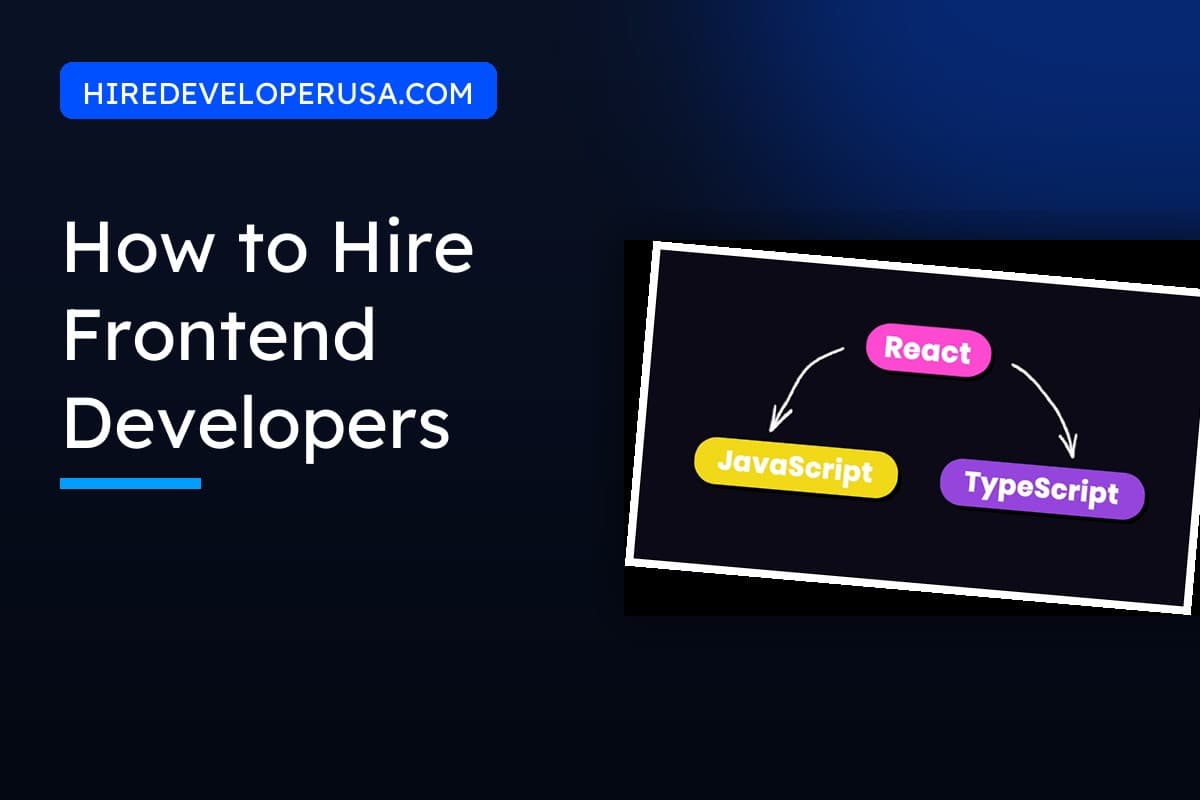
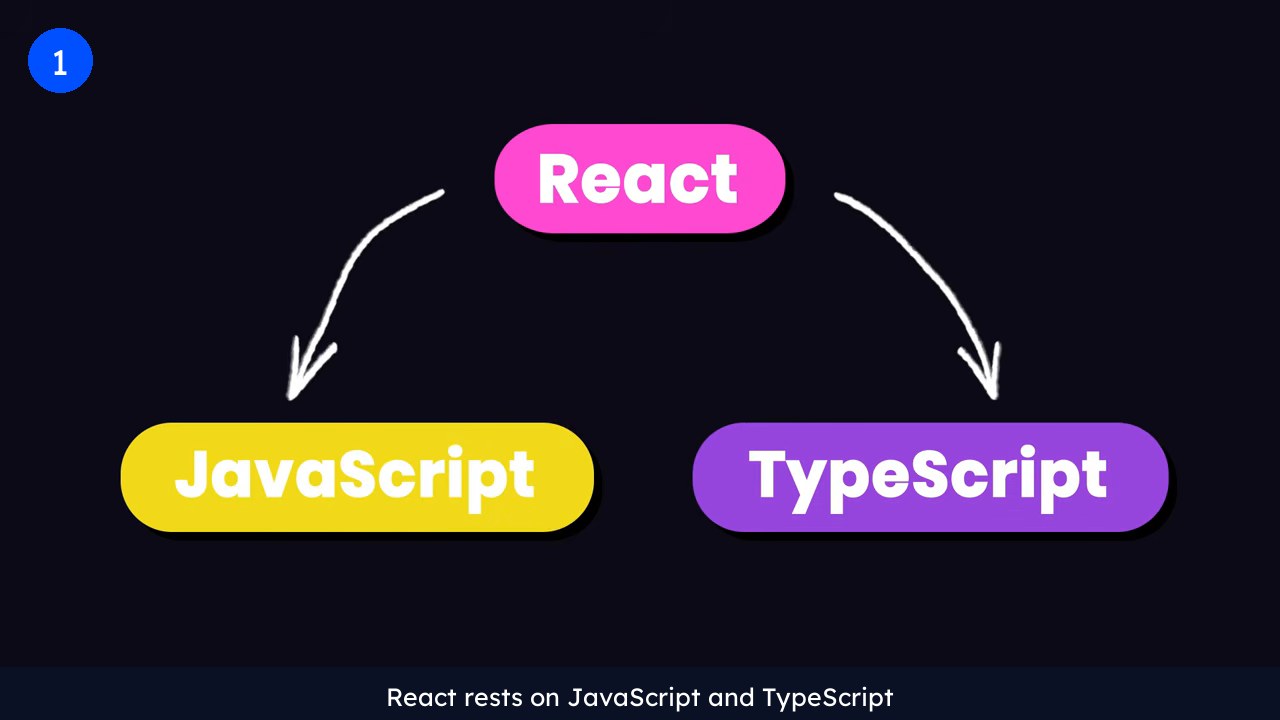
- Language and framework. React, Vue or Angular, and which major version. State whether TypeScript is required. Above the junior band, most US teams treat it as assumed rather than a bonus.
- Rendering. Single page app, server rendered, static, or a meta framework such as Next.js. This single decision changes who is qualified more than any other line in the spec.
- Styling. Plain CSS, a preprocessor such as Sass, a utility framework such as Tailwind, or an in house design system. Say which, and say whether the hire is expected to extend it or just consume it.
- State and data. REST or GraphQL, which client cache, and who owns the contract with the backend when it changes.
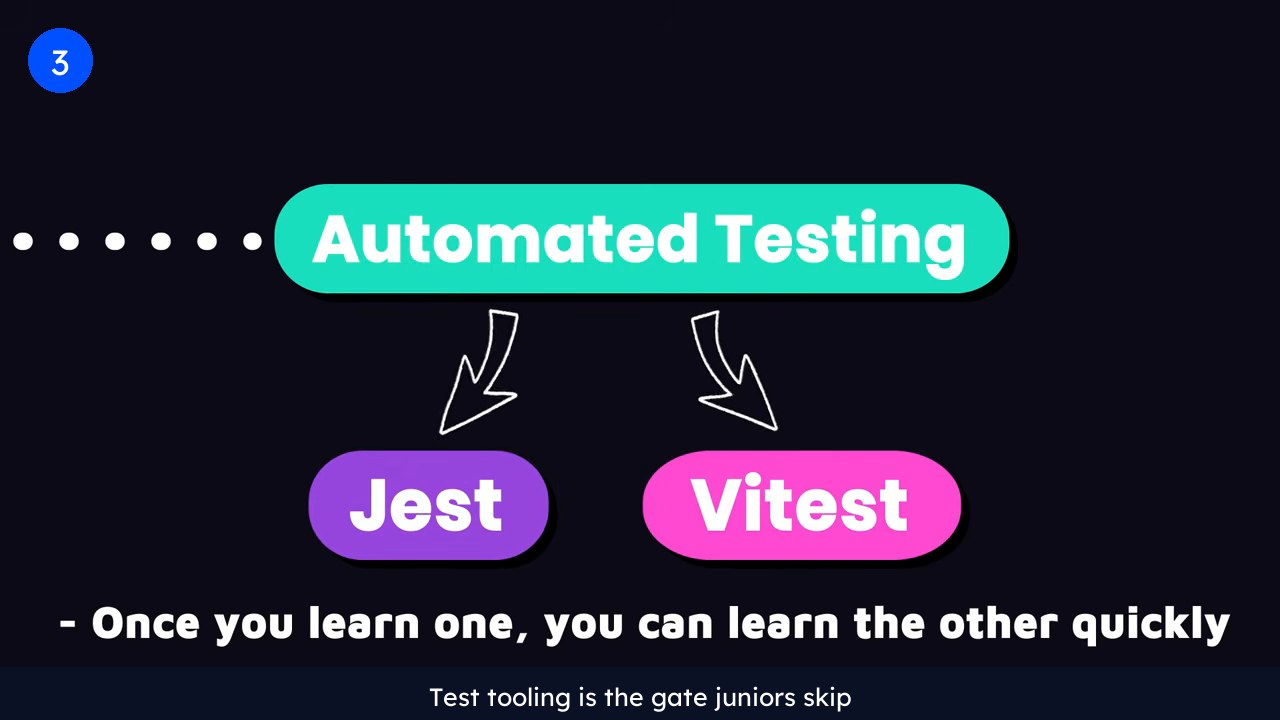
- Testing. Which runner, what you expect covered, and whether end to end tests are part of the job or somebody else's.
- Targets. The browsers you support, the devices your users actually hold, and your accessibility standard.
Every line you leave blank becomes an assumption the candidate makes on your behalf, and you find out which one they made in week three. The last two lines are where most specs go quiet, and they are the ones that decide whether the work needs a rebuild in a year. If the role is React and TypeScript specific, point candidates at the React developer and TypeScript developer pages so they self select before the first call.
What frontend developers cost in the US
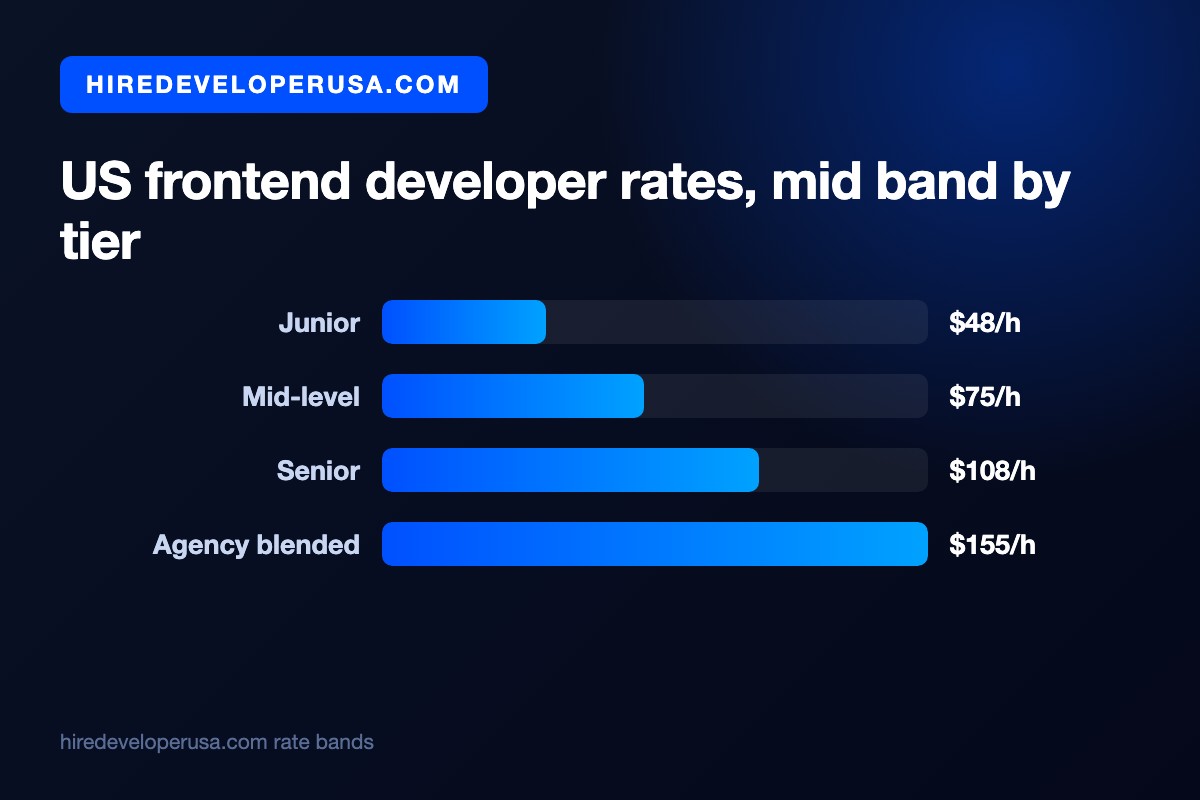
Frontend developers bill $35 to $125 an hour on vetted US marketplaces, and the band splits cleanly by seniority: $35 to $60 for implementation work that needs supervision, $60 to $90 for an engineer who can own a feature, and $90 to $125 for a senior who can own the architecture. Agencies bill $110 to $200 an hour blended, and a full time hire runs $92,000 to $162,000 in base salary before you load it.
| Engagement model | Typical US rate | What you actually get | Best fit |
|---|---|---|---|
| Vetted marketplace contractor | $35 to $125 an hour | One named developer, no recruiting fee, start within days | Defined scope, 10 to 40 hours a week |
| Agency or studio | $110 to $200 an hour blended | A team, a project manager and a warranty, with less say over who writes the code | Fixed deadline projects, no internal engineering |
| Full time employee | $92,000 to $162,000 base | Continuity and institutional memory, plus 20 to 30 percent on top for payroll taxes, benefits and hardware | A permanent product surface |
| Contract to hire | Contractor rate, then salary | A paid look at the work before a permanent commitment | You are unsure the volume will hold |
Do the arithmetic before you talk to anyone. A product engineer at 20 hours a week for one quarter is 240 hours; at the $75 midpoint of the mid band, that is $18,000 of engineering. Run the same person full time and the quarter costs $36,000. An employee on a $120,000 salary costs $30,000 in salary over that same quarter, closer to $37,500 once you add payroll taxes, benefits and hardware. At full time the two land in the same place, which is why the rate is not the real question. The real question is whether you have twelve months of frontend work to keep someone busy. Our frontend developer rate page breaks the bands down further, and freelance developer hourly rates covers how contractors set their own numbers.
Five places to source, and what each costs you in time
Channel choice decides your calendar more than your budget.
- Vetted marketplaces. Shortlist in days because the screening happened before you arrived. You pay for that in the hourly rate rather than in a recruiting fee, and you keep control of who works on the code.
- Agencies. Fastest way to buy a whole team and a delivery process. You lose the ability to pick the individual, and the blended rate covers people you never meet.
- Job boards. The largest volume and the lowest signal. Expect to read a hundred resumes for a role that a spec would have filtered to fifteen. Worth it only for permanent hires you can wait a month for.
- Referrals from your own engineers. The highest conversion rate of any channel and the smallest pool. Ask specifically, name the stack, and offer the referral bonus before you need it.
- Open source and community. Slow, but you can read someone's work and review history before you ever schedule a call. For a senior frontend role, an hour spent reading merged pull requests beats an hour of interview.
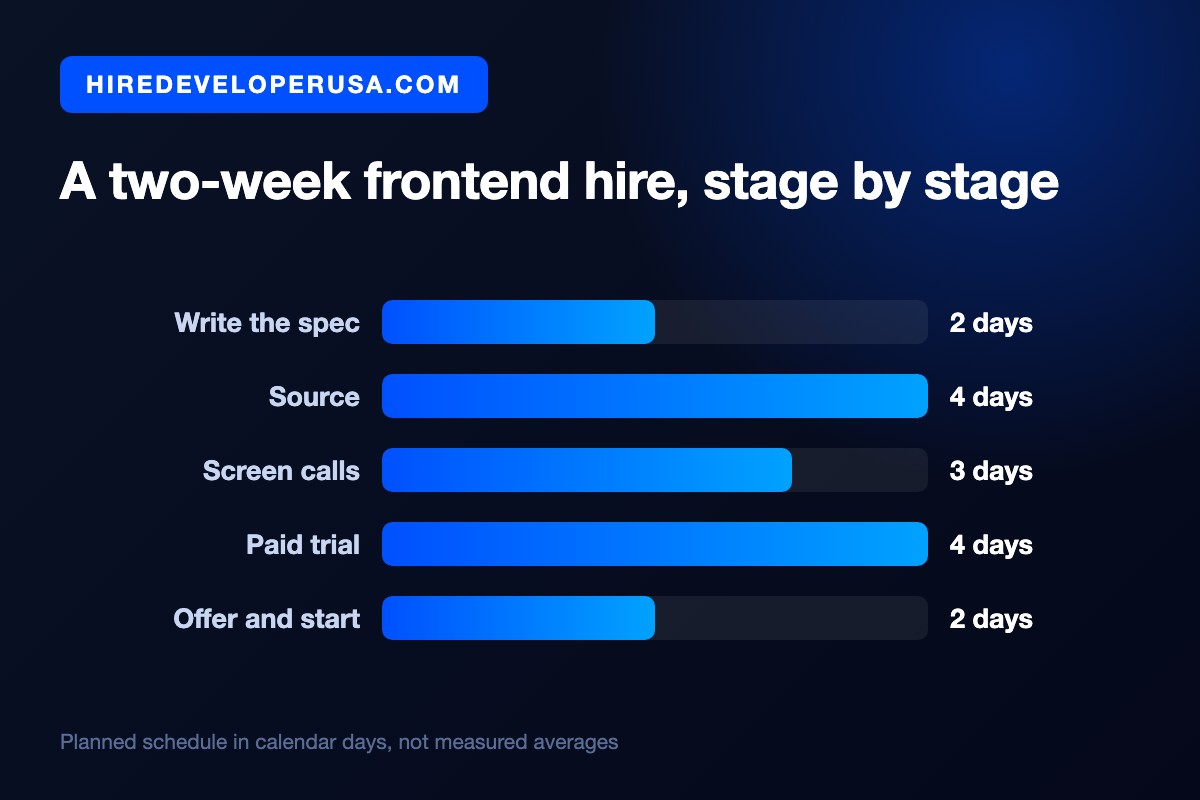
Two weeks is a realistic schedule when the spec exists: two days to write it, four to source, three for screen calls, four for a paid trial and two to close. Every one of those stages stretches when the spec does not exist, because you spend the extra days arguing about what the role is.
The five gates that predict a good frontend hire
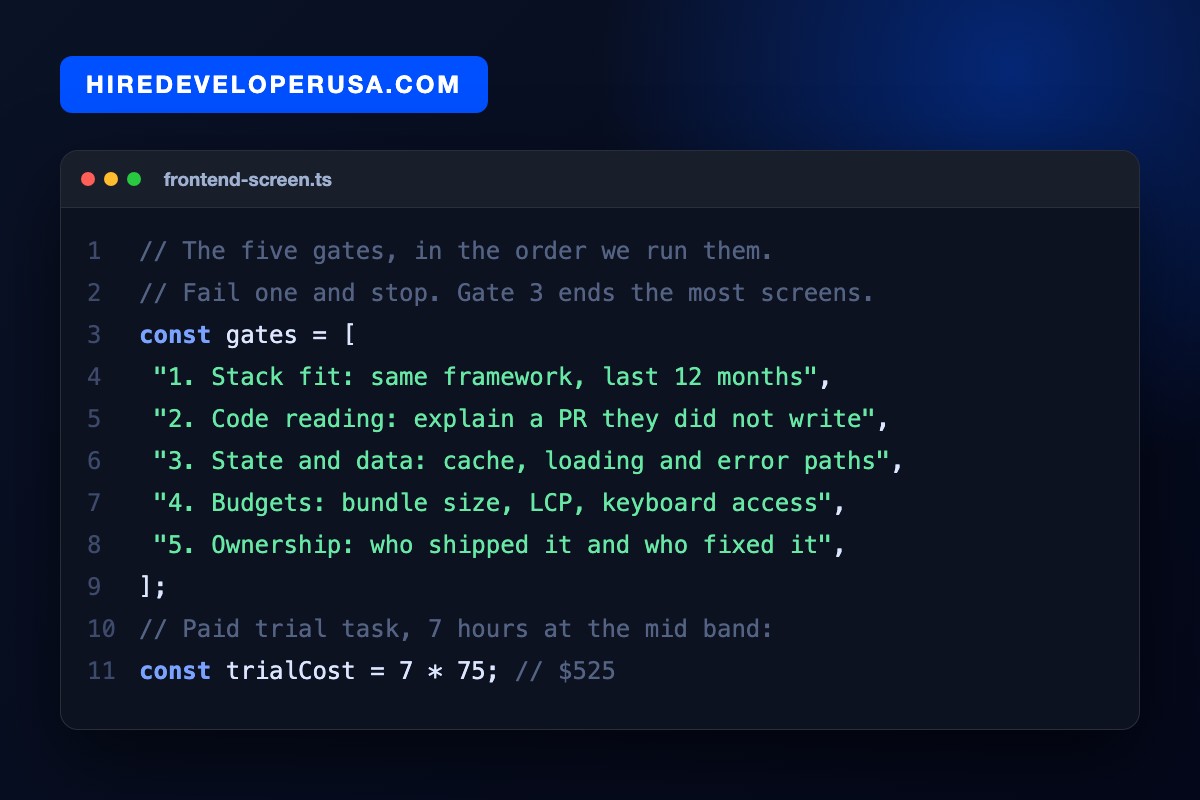
Run these in order and stop at the first failure. Ordering matters because the cheap gates eliminate the people who would waste the expensive ones.
- Stack fit. Did they ship your framework, in production, in the last twelve months? Not studied it, not used it at a bootcamp. Frontend tooling moves fast enough that a three year gap is a real gap.
- Code reading. Send a pull request they did not write and ask what it does and what worries them about it. Reading unfamiliar code is most of the job, and it is the skill a portfolio never shows.
- State and data. Ask how they would handle the loading, empty, error and stale states of one real screen in your product, plus what happens when two requests race. This gate ends more screens than the other four combined, and it is exactly the work a beautiful portfolio hides.
- Budgets. Ask what bundle size they would consider too large, what they would target for largest contentful paint on a mid range phone, and how they check keyboard access. You are not testing for a specific number. You are testing whether they have ever been given one.
- Ownership. Ask what they shipped, what broke afterwards, and what they personally did about it. People who have owned production talk about incidents without flinching. People who have not change the subject to the framework.
One paid trial task beats four interviews
After the gates, give the last one or two candidates a real ticket from your backlog. Six to eight hours, paid at the mid band, with a written brief and access to a scratch branch. Seven hours at $75 is $525, which is less than the cost of one wrong week with the wrong hire.
Pick a ticket that is small but not decorative: a form with validation and an error path, a list that has to stay fast when it grows, a component that has to work on a phone and with a keyboard. Then read the pull request rather than the screenshot. Commit history tells you how they think. Naming tells you what they will leave behind for the next person. Tests tell you whether quality is a habit or a slide in their deck. And the questions they asked before they started tell you more than any of it.
One warning: pay for the trial, always, and keep it under a day. Unpaid multi day take homes filter out exactly the senior people you want, because they already have work.
Set the guardrails before the first invoice
Budget discipline on a frontend engagement is mostly about four things you agree in writing before anyone starts.
- Own the accounts. Repository, hosting, domain, analytics and design files in your company's name from day one. Access is granted to the developer, never held by them.
- Cap the week. Agree an hourly ceiling per week rather than an open ended engagement. A cap turns scope creep into a conversation instead of a surprise invoice.
- Define done. Done means reviewed, tested and deployed to a staging URL you can open. Not pushed to a branch.
- Book a 30 day checkpoint. Put the date in the contract. Both sides get an easy exit, which makes the decision to start much cheaper.
Then spend the first week on onboarding rather than features. Our guide to onboarding a remote developer covers the environment, access and first ticket sequence that gets a hire to a real merged change inside five days.
Your next step
Write the six line stack spec today. It takes twenty minutes and it is the only artifact in this process that improves every stage after it: the job post filters better, the screen calls get shorter, the trial task writes itself, and the first sprint starts on decisions instead of debates.
Then pick two channels rather than five, run the five gates in order, and pay for one trial task before you commit to anyone. If you want the shortlist to arrive already filtered, tell us the stack and the shape of the role on our frontend developer page and we will match against the spec you just wrote.
Frequently asked questions
How much does it cost to hire a frontend developer?
On vetted US marketplaces, $35 to $60 an hour for implementation work, $60 to $90 for a mid level engineer who can own a feature, and $90 to $125 for a senior who owns architecture and performance. Agencies bill $110 to $200 an hour blended, and a full time hire costs $92,000 to $162,000 in base salary plus 20 to 30 percent for payroll taxes, benefits and hardware. A 240 hour quarter at the $75 mid band midpoint is about $18,000 of engineering.
Do I need a frontend developer or a full stack developer?
Hire the specialist when the front end is your product's main surface: heavy interaction, a design system, performance or accessibility requirements. Hire full stack when the codebase is small, the interface is mostly forms and tables, and one person moving across the whole stack beats two people coordinating. A frontend specialist at the senior band will outperform a generalist on rendering strategy and interface architecture, and will need a backend partner for anything past the API boundary.
How long does it take to hire a frontend developer?
About two weeks when the spec exists: two days to write it, four to source, three for screen calls, four for a paid trial task and two to close and start. Marketplaces and referrals compress the sourcing stage to a couple of days; job boards stretch the whole process to a month or more because you screen volume instead of a shortlist.
What should I actually test in a frontend interview?
Reading code they did not write, and the states nobody puts in a portfolio. Ask them to explain an unfamiliar pull request, then walk through the loading, empty, error and stale states of one real screen in your product. Follow with performance and accessibility budgets, and finish on what they shipped and what broke afterwards. Live algorithm puzzles predict frontend performance poorly compared to a short paid trial on a real ticket.
Hire vetted talent