
Key takeaways
- →There is no universal best partner: a migration shop, a program-build shop and a steady maintenance shop rarely score the same against one scope.
- →Decide NPSP versus Nonprofit Cloud before you shortlist. The two have different object models, and recent delivery on the right one is the sharpest filter you have.
- →US bands: $65 to $150 an hour through a vetted marketplace, $140 to $250 at a certified partner firm, $110,000 to $180,000 for an in-house hire.
- →Score three finalists on five weighted criteria, with nonprofit data depth at 0.30 carrying the most weight, and put the named team into the statement of work.
- →Budget the run, not just the build: gift schedules, acknowledgments and three platform releases a year need an owner from day one.
The best Salesforce nonprofit partner is the firm whose last three projects look like the one you are about to fund, and no published ranking can tell you that. A migration off a twenty-year-old donor database, a first program build in Nonprofit Cloud, and an org that just needs a steady hand every week are three different jobs, and the firm that is excellent at one is often mediocre at the next. So instead of a leaderboard, this is the scoring sheet: five weighted criteria, four kinds of partner with current US rate bands ($65 to $150 an hour on a vetted marketplace, $140 to $250 at a certified partner firm, $110,000 to $180,000 for an in-house hire), a one-page scope you send to every bidder on the same day, and the eight questions that separate a real delivery team from a good deck.
Why we do not publish a ranked list of nonprofit partners
Most "best partners" lists rank firms on things that are easy to measure and irrelevant to you: headcount, years in business, how many logos fit on a slide. None of that predicts whether your gift acknowledgments will go out correctly in December.
The useful version of a ranking is one you build. Start the longlist where the record is public: the AppExchange consultant listings carry customer reviews, expertise badges and project histories, and the badges tell you which practice a firm actually sells. A firm can hold deep Sales Cloud expertise and have shipped nothing in the nonprofit space for two years. That distinction never survives a generic top-ten article, and it is the single thing most likely to decide whether your project lands.
So we disclose the criteria instead of the names. Everything below is what we would weight, in the order we would weight it, with the question that gets you an honest answer in a 30-minute call.
Decide which Salesforce you are buying before you shortlist anyone
There are two very different products behind the phrase "Salesforce for nonprofits", and the choice narrows your partner list before you talk to anyone.
The Nonprofit Success Pack (NPSP) is the long-standing managed package layered on Sales Cloud. Donations are Opportunities, constituents sit in household accounts, and the familiar machinery is recurring donations, relationships, affiliations and allocations to accounting units. Thousands of organizations run on it and it still works.
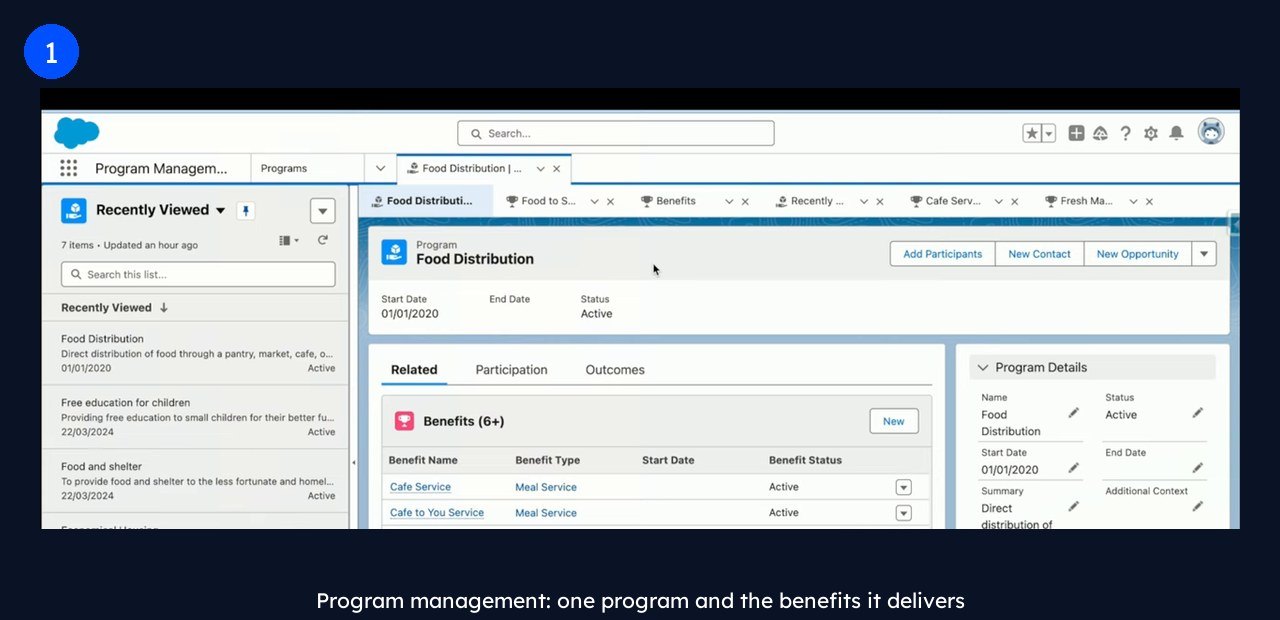
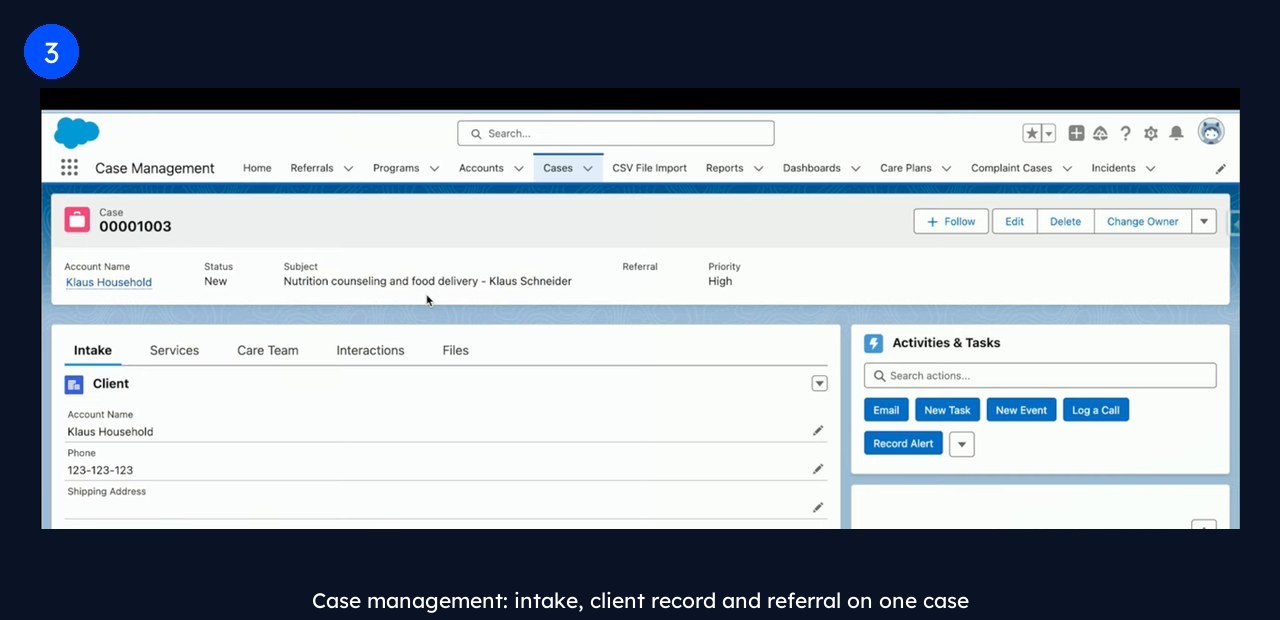
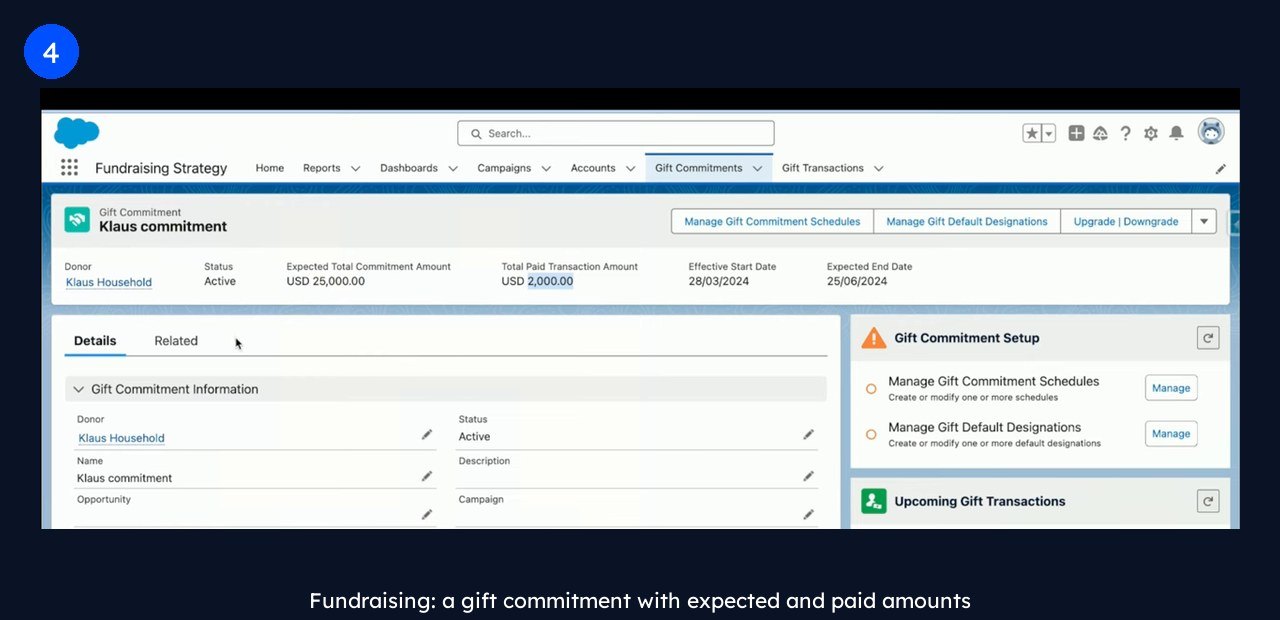
Nonprofit Cloud is the newer, industry-built product with its own object model: programs with benefits, participants and sessions; cases with care teams and care plans; and a fundraising side built on gift commitments and gift transactions rather than Opportunities. If you deliver services and need to report on outcomes, not just dollars, this is the direction Salesforce has pointed the market.
Why this decides your shortlist: ten years of NPSP rollup expertise does not make a team fluent in gift commitment schedules or care plan templates. Ask every firm what they shipped in the last twelve months and on which of the two products. If you are early enough to still be choosing, ask them to argue the opposite case from the one they are selling. One more budget note worth confirming before you scope anything: Salesforce's Power of Us program has long provided eligible 501(c)(3) organizations with a starter block of donated licenses, ten at the time of writing, so check current eligibility and terms before you size the subscription line. If the real need is a person rather than a project, our guide to hiring Salesforce developers covers the role split in detail.
The five criteria we score partners on
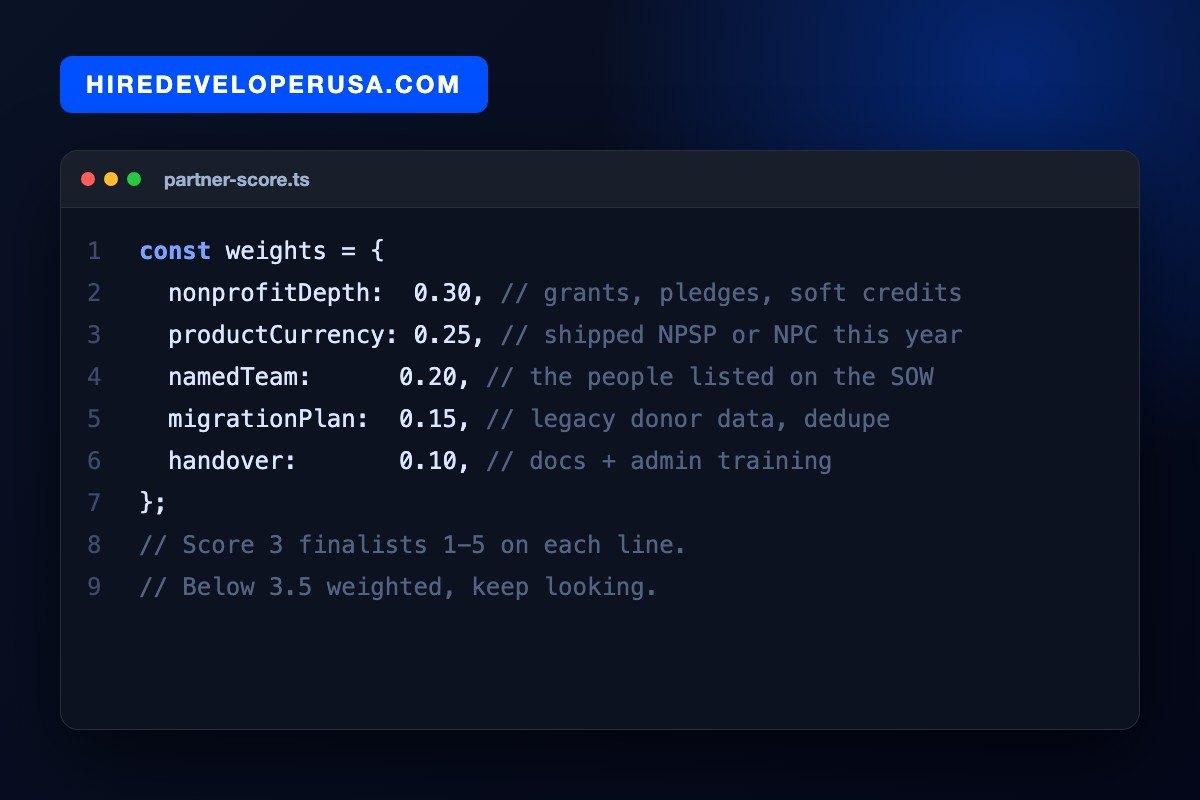
Three finalists, five criteria, a one-to-five score on each. The weights matter more than the scores, because they stop a polished sales call from outranking a team that has actually done the work.
1. Nonprofit data depth (weight 0.30). Can they talk fluently about pledges, soft credits, restricted versus unrestricted funds, grant reporting periods and the difference between a gift date and a posted date? Ask how they would handle a donor who gets credit for bringing in another donor. If the answer is a blank look, you are paying them to learn your sector.
2. Product currency (weight 0.25). What did the named team ship in the last twelve months, on NPSP or Nonprofit Cloud, and which credentials do they hold? Certifications are not proof of judgment, but a team with none on the product you are buying is a bet.
3. The named team (weight 0.20). Who writes the code and who runs the workshops? Get names into the statement of work, with the percentage of their week you are buying. Partners sell with principals and deliver with whoever is free; the fix is naming people in the contract, not trusting the pitch.
4. Migration realism (weight 0.15). Ask how many records they expect to move, how they will deduplicate households, what they will do with a decade of giving history, and what they intend to leave behind. A partner who has not asked about your legacy system before quoting has not priced the hardest part of the job.
5. Handover (weight 0.10). What documentation do you own at the end, how many hours of admin training are included, and can your team edit a flow without calling them? The same discipline we apply when screening individuals in our Salesforce hiring checklist applies to firms: the test is whether you can still operate when they leave.
Four kinds of partner, and what each one costs
"Partner" covers four business models with different economics, and the table below adds the in-house baseline as a fifth line so you can compare like for like. The right one depends on whether you are buying a project, a person, or a decade of sector pattern recognition.
| Option | Typical US cost | Best for | Where it fails |
|---|---|---|---|
| Nonprofit specialist consultancy | $140 to $250 per hour | First implementations, migrations, anything touching restricted funds or grant reporting | Small backlogs: minimums and discovery overhead price out a two-week job |
| Generalist Salesforce implementation firm | $140 to $250 per hour | Integrations with finance or ERP systems, large multi-cloud orgs | Sector blind spots: you fund their nonprofit education |
| Independent consultant or fractional admin | $65 to $150 per hour | Steady maintenance, reports, small builds, second opinions | Single point of failure, no bench when they take a holiday |
| Dedicated developer or admin through a vetted marketplace | $65 to $150 per hour | Known scope and a long backlog, or extending a partner's team cheaply | You own the architecture call, so someone internal has to hold the plan |
| In-house admin or developer | $110,000 to $180,000 per year | Organizations where Salesforce is the operating system, not a database | Hiring takes months and one person cannot cover every cloud |
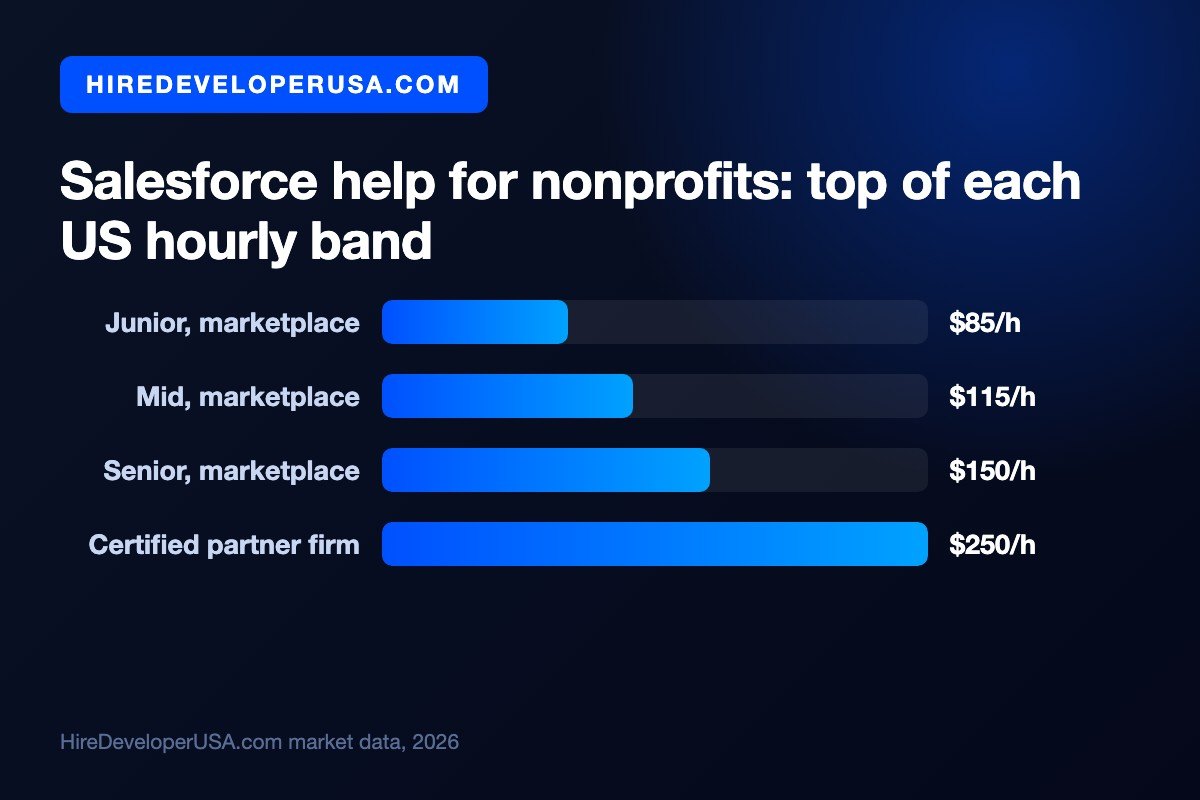
Within the marketplace band, junior profiles top out near $85 an hour, mid-level near $115 and senior near $150, which is why a certified partner firm at $250 costs roughly what two senior marketplace developers cost. The most common expensive mistake is buying a consultancy for work a fractional admin could do, or buying a solo consultant for a migration that needs a team. The second most common is comparing an hourly rate against a fixed bid without converting them to the same unit. Our Salesforce rate breakdown has the seniority bands behind these numbers, and the Salesforce implementation company landscape covers the firm side in more depth.
Write the scope one pager before you take a single call
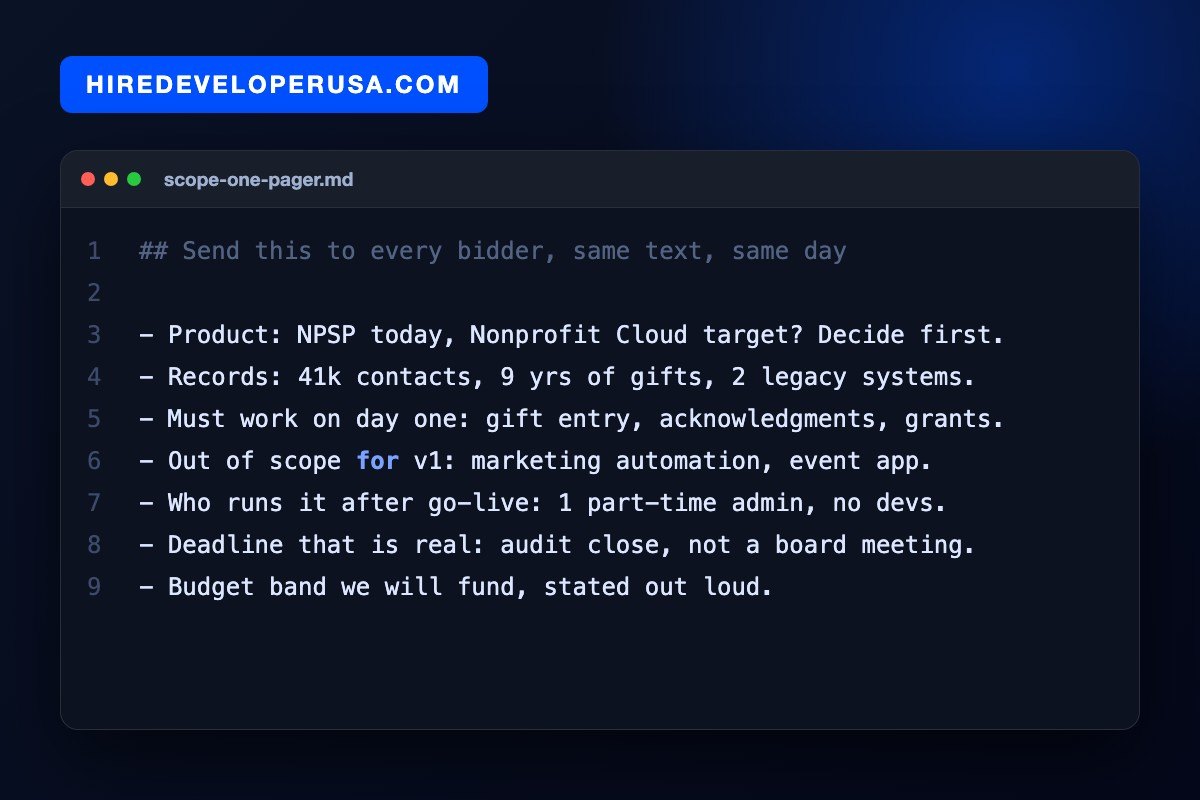
The quality of the bids you get is set before the first call, by how precisely you described the job. A one-page scope sent to every firm on the same day does three things: it makes bids comparable, it exposes who read it, and it saves you from re-explaining your organization four times.
Keep it to seven lines. Which product you are on today and which you are targeting. Record counts and how many legacy systems feed them. What has to work on day one. What is explicitly out of scope for version one. Who runs the org after go-live. The deadline that is real, by which we mean an audit or a fiscal year close rather than a board meeting. And the budget band you will actually fund, stated out loud.
That last line is the one organizations hide, and hiding it costs you weeks. A firm that cannot deliver inside your band will tell you quickly, which is the fastest free information in the process.
Eight questions that separate a good bid from a good deck
Run these in the first call, in this order. The pattern you are listening for is specificity: good partners answer with a number or a story, weak ones answer with a methodology.
- Which of our requirements would you push back on? A partner with no objections has not read the brief.
- Who, by name, does the work, and for what share of their week? Then check those names appear in the statement of work.
- What did you ship last quarter that resembles this? Ask what broke and what they would do differently.
- How will you migrate our giving history, and what will you deliberately leave behind?
- What is configuration here, and what genuinely needs code? A firm that reaches for custom objects when a standard one exists will build you a maintenance bill.
- What does month two after go-live look like? The honest answer includes a support window and a number of hours.
- What do we own at the end? Documentation, admin credentials, source control, and the right to work with anyone else.
- Which reference can we call who left you mid-project? The reaction tells you more than the reference.
Three things end the conversation for us. A fixed price offered before any discovery, because it is either padded or about to become a change-order argument. A statement of work with no named team. And a migration plan that appears for the first time in the kickoff deck, after the contract is signed.
Budget the run, not just the build
Implementation is the visible cost. The one that surprises boards is the run: recurring gift schedules that fail and need chasing, acknowledgment templates that change every campaign, new staff who need permission sets, and three Salesforce platform releases a year that occasionally move something you depend on.
Decide who does that before go-live, because the answer changes your partner choice. If nobody internal will own the org, you are buying a support retainer and should price it as part of the project rather than discovering it in month two. If someone will own it, budget their training into the build and insist the handover is a deliverable with a date, not a goodwill gesture at the end.
For many organizations the cheapest stable answer is a part-time Salesforce administrator handling the weekly queue, with a partner on call for the quarterly work that needs an architect. That split costs less than a retainer sized for peak demand and leaves the knowledge inside your organization.
What to do next
Write the scope one pager this week. Pull a longlist of six firms from the AppExchange consultant listings, filtering on nonprofit expertise rather than general Salesforce credentials, and send all six the same text on the same day. Cut to three on the quality of their questions, then score those three on the five weighted criteria and ask for named teams in writing.
If the scoring tells you the work is a long backlog rather than a project, which happens more often than firms will admit, hire the person instead of the firm: a vetted Salesforce developer or administrator at $65 to $150 an hour will clear a year of small builds for less than a single discovery phase. Either way, the decision should come from your scored sheet, not from a list of logos.
Frequently asked questions
Who are the best Salesforce nonprofit partners?
There is no single answer that holds across organizations, because the strongest firm for a legacy data migration is rarely the strongest for a first program build. Build the longlist from the AppExchange consultant listings, filtering on nonprofit expertise rather than general Salesforce credentials, then score three finalists on nonprofit data depth, recent delivery on your product, the named team, the migration plan and the handover.
How much does a Salesforce nonprofit implementation cost?
Certified partner firms bill $140 to $250 an hour in the US, independent consultants and vetted marketplace developers $65 to $150, and an in-house admin or developer costs $110,000 to $180,000 a year. Totals are driven by migration scope far more than by build scope: moving a decade of giving history out of a legacy database usually costs more than configuring the org it lands in.
Do we need NPSP or Nonprofit Cloud?
If you are already running NPSP and it serves you, there is no urgency to move, and a partner who opens with migration before understanding your processes is selling, not advising. If you deliver services and need program and outcome reporting rather than donation tracking alone, Nonprofit Cloud is built for that shape of work. Either way, make the decision before you shortlist, because it changes who is qualified.
Can we hire a freelancer instead of a partner firm?
Often yes. If the work is a long list of small builds, reports and fixes with a known architecture, a dedicated administrator or developer at $65 to $150 an hour clears it for far less than a consultancy engagement. Keep the firm for the work where being wrong is expensive: the initial data model, the migration, and integrations with finance systems.
Hire vetted talent