

Key takeaways
- →Name the job first: greenfield Angular, a migration, or a long-lived enterprise app. The three sit in different talent pools at different prices.
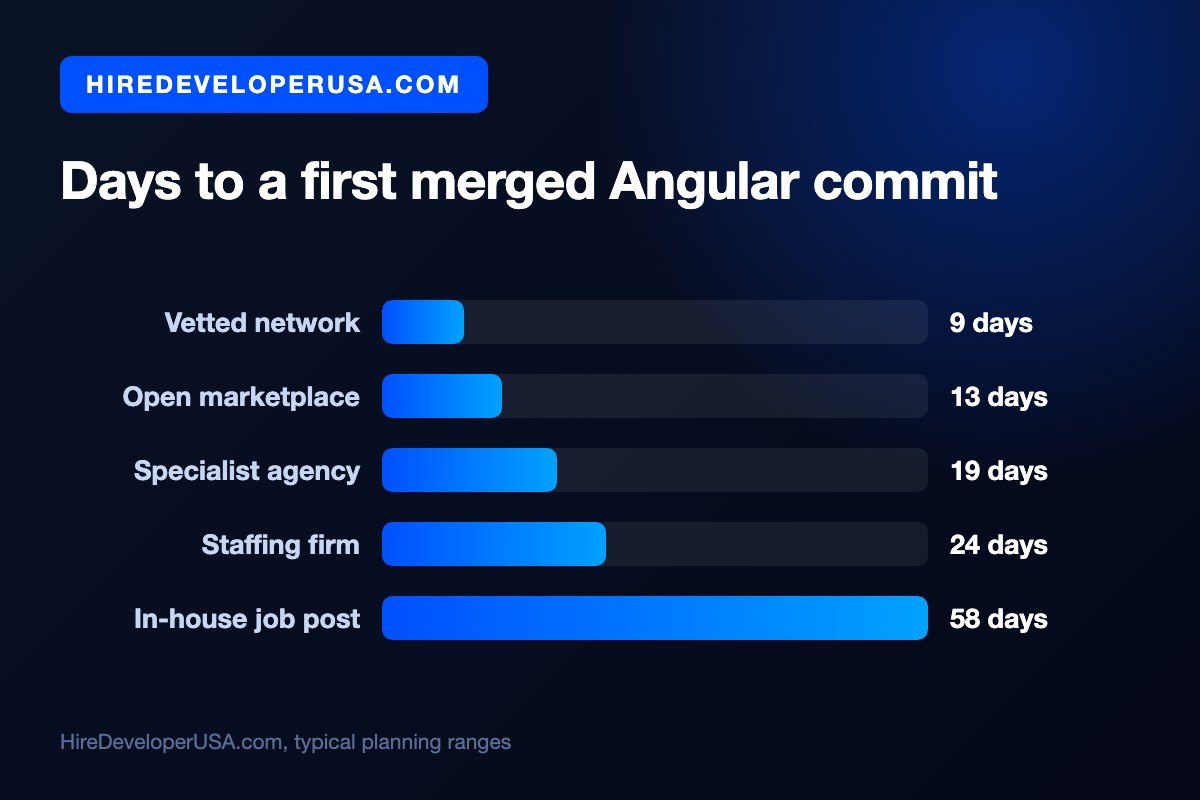
- →Pick the channel by your deadline: about 9 days to a first merged commit through a vetted network, 19 through a specialist agency, 58 through an in-house job post.
- →US Angular rates run $35 to $125 an hour on vetted marketplaces, $110 to $200 at agencies, and $95,000 to $165,000 in base salary.
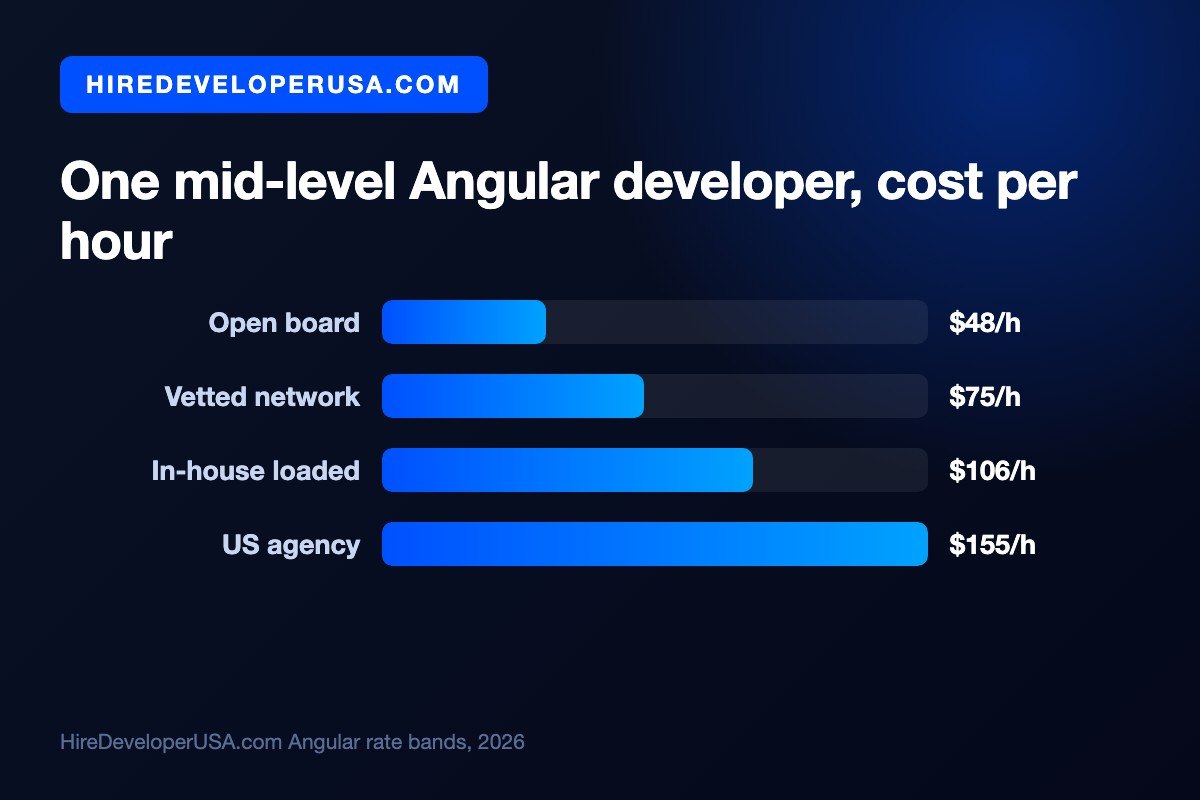
- →A $130,000 Angular salary loads to roughly $106 an hour of genuinely productive time, above a mid-level contractor and below an agency.
- →Migration work is the exception to every rule here: unscreened marketplaces are full of the keyword and short of the skill.
The best sites to hire Angular developers sort themselves out once you answer a single question: do you need someone to start an Angular app, finish one, or rescue one written a decade ago? If you want a screened mid-level developer merging code inside two weeks, a vetted talent network gets there in about 9 days at $60 to $90 an hour. An open freelance marketplace costs less, at $35 to $60 and about 13 days, though every hour of screening falls to you. Roughly 19 days is the start time for a specialist agency, which bills $110 to $200 an hour and brings a manager along. A full-time hire at $95,000 to $165,000 base is about two months away.
Angular makes that choice harder than most frameworks do. The reason: "Angular developer" is three separate jobs, sitting in three separate talent pools at three separate prices. One site is crowded with the first pool and nearly empty of the second. If you pick the site before you have named the job, expect to spend three weeks interviewing people who cannot do it.
There are three Angular jobs, and the site follows the job
Put your work in one of these buckets before you open a single platform. It is the most valuable minute in the whole process.
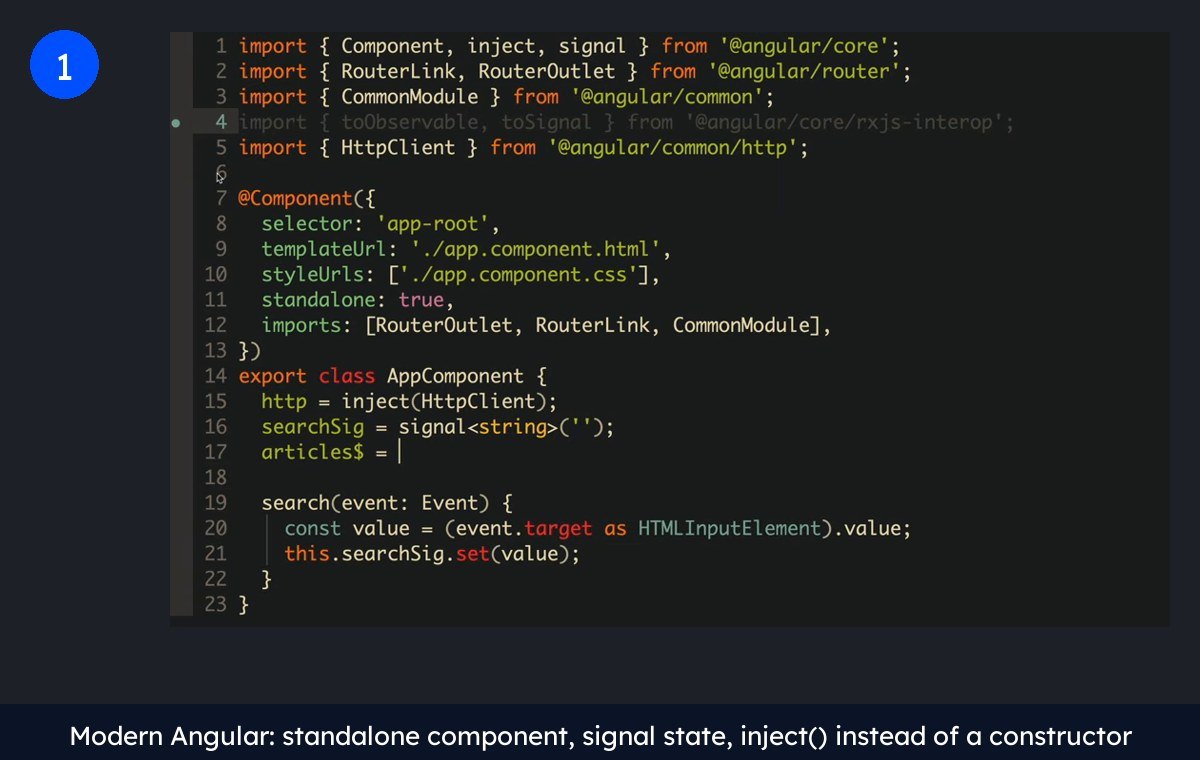
- Greenfield modern Angular. This is a new app on a current release, with standalone components, signals for state,
inject()in place of constructor injection and the built-in control flow. The pool leans toward developers who learned Angular in the last three or four years. Of the three, it is the deepest and the easiest to source. - Migration and version rescue. Here you have an AngularJS 1.x codebase, or an Angular app stuck four majors behind since nobody wanted to own the upgrade. Small, senior and in steady demand, this pool prices above the normal band. Very few people can read an old digest cycle and reason about modern change detection.
- Enterprise and long-lived apps. Picture internal tools with thirty-field dynamic forms, NgRx state, a monorepo and strict typing rules. Angular earns its keep here, and the top of the rate band lives here too. What you are buying is the ability to navigate a large codebase safely, not to ship a demo.
Our Angular developer hiring page splits candidates the same way, and the AngularJS pool is kept separate on purpose. They are not the same market.
The six sites to hire Angular developers, side by side
Nearly every US Angular hire goes through one of six channels. We compare them by category instead of by logo, since the category decides who screens, what you pay and when code lands. Two platforms from the same category behave more alike than two you would lump together by reputation.
| Where you look | Typical US rate | Who screens | Days to first merged commit | Best for | Where it fails |
|---|---|---|---|---|---|
| Open freelance marketplace | $35 to $60 per hour | You, entirely | About 13 | Small, fully specified Angular tickets | Migration and enterprise pools are thin, and overstating Angular depth is cheap |
| Vetted talent network | $60 to $125 per hour, no placement fee | The network screens, you confirm | About 9 | A deadline, a budget ceiling, trying before committing | The architecture decision is still yours to make |
| Frontend or Angular specialist agency | $110 to $200 per hour | The agency | About 19 | A whole project delivered with a manager attached | Bench swaps mid-project, junior hours billed at a blended rate |
| General IT staffing firm | $90 to $160 per hour | The firm, loosely | About 24 | Contract headcount that has to sit on a purchase order | Recruiters match on the word Angular, not on the version or the job |
| Angular community and niche job boards | $90 to $150 per hour | Reputation does | About 30 | Rare migration work and library-level problems | Slow, and silent if you have no standing in the community |
| In-house job post | $95,000 to $165,000 base | You and your team | About 58 | Angular that is core to a product you will run for years | Two months of lead time before the first line of code |
Read the fourth column before the second one. Over a quarter-long roadmap, the gap between 9 days and 58 days matters more than the gap between $75 and $106 an hour.
What Angular developers actually cost on each site
US Angular rates fall into bands that are wide yet predictable. The full span on vetted marketplaces is $35 to $125 an hour: roughly $35 to $60 for junior work, $60 to $90 for mid-level and $90 to $125 for senior. Agencies bill $110 to $200, while full-time base salaries run $95,000 to $165,000. You will find the detailed breakdown on our Angular developer rates page.
Most buyers skip one number: what a salaried developer really costs per working hour. Start from a $130,000 base, the middle of the band. Payroll taxes, benefits, equipment and software push that to roughly $169,000. Once paid time off, holidays, meetings and ramp-up come out, you have about 1,600 genuinely productive hours a year, and dividing by them gives about $106 an hour. That sits above a mid-level contractor and below an agency, which is exactly why the in-house option wins on long horizons and loses on short ones.
Make two Angular-specific adjustments to any quote you get. Migration work prices above the band, since the overlap between people who know AngularJS and people who know current Angular is genuinely small. Enterprise form and state work prices high as well, for the opposite reason: the codebase is big enough that a cheap mistake costs a lot to unwind. When you benchmark across frameworks, our breakdown of freelance developer hourly rates sets these numbers beside the rest of the market.
The Angular screen that works on whichever site you pick
Every one of these channels will eventually put a person in front of you, and at that point the site stops mattering. Four questions separate a senior Angular developer from someone who has shipped a tutorial app, and all four work in twenty minutes on a call.
1. Signals, observables or promises: when do you reach for each? You are not looking for a preference. The right answer says signals are the simpler way to hold and derive state, RxJS is still the tool for streams, cancellation and anything time-based, and HttpClient hands you an observable whether you like it or not. Any candidate who claims signals replaced RxJS has read a changelog, not a codebase.
2. Here is a slow component. Why? A strong answer opens by asking why the component is large at all, moves on to splitting it, then gets to OnPush and what actually triggers change detection. Weak answers grab a library in the first sentence.
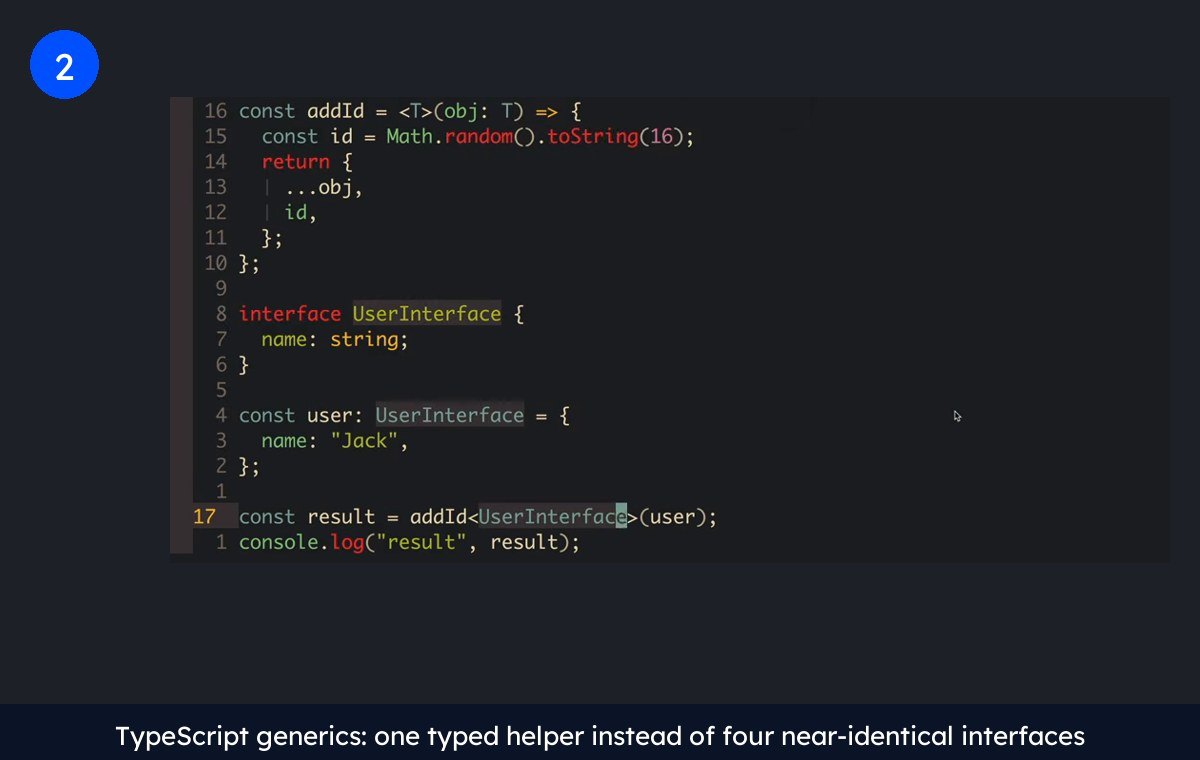
3. How have you used TypeScript generics on an Angular project? This one sounds like framework trivia, but it is not. Generics are how you stop writing four near-identical interfaces that differ by a single field, and anyone who has maintained a large Angular app has run into that wall. A developer who has only built small apps will describe generics correctly and offer no example.
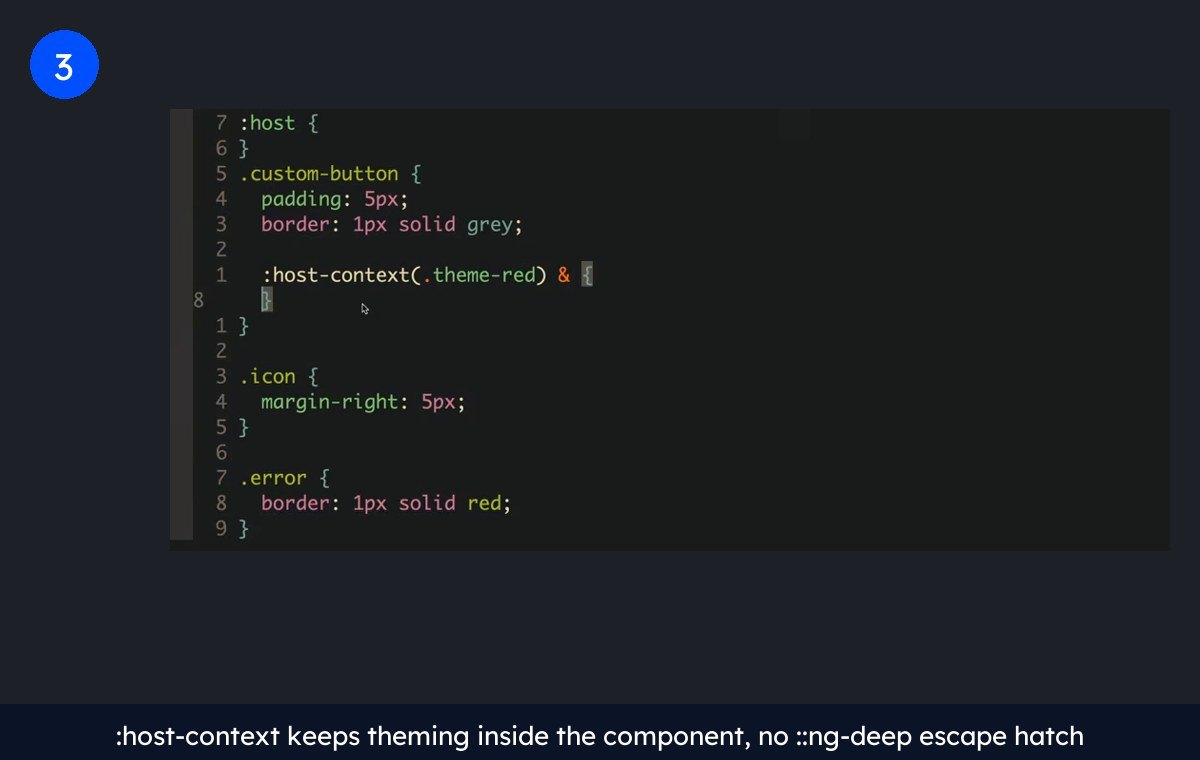
4. How do you style a child component you do not own? An honest answer names ::ng-deep, admits out loud that it is deprecated, and then explains why it is still in use: nothing better was shipped to replace it. When the component allows it, the better path is configuration through inputs or a host-context selector that keeps the theme decision inside the component. The question is a good character test as much as a technical one, because it rewards candidates who tell you what is ugly in their own code.
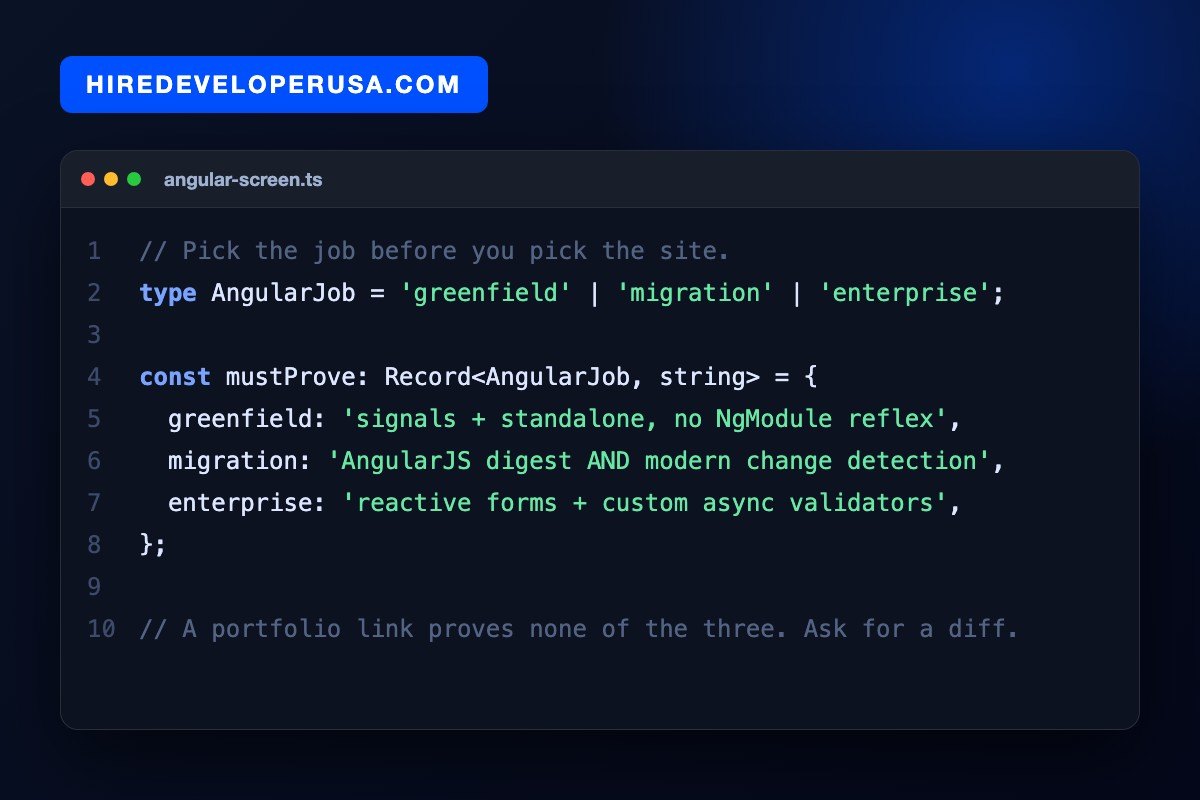
For all four, request a diff instead of a portfolio. A link to a deployed app tells you a team shipped something. Their own pull request, with the review comments still attached, tells you how they think and how they take feedback. Our guide to running a technical interview covers the structure around these questions. If your app leans heavily on streams, the RxJS pool is worth screening separately.
The migration trap: the best site for a new app is the worst for an old one
In Angular hiring, this is the single most expensive mistake. AngularJS reached end of life, and that means two things at once: the codebases did not disappear, and the people who maintained them moved on. As a result, few developers can hold both models in their head at the same time, yet an enormous number of profiles list "AngularJS", since the word still sits in a resume from 2016.
Open marketplaces are the worst place to close that gap: the filter is a keyword, and anyone can type a keyword for free. Here a vetted network or a specialist agency earns the premium, specifically because someone else has already discarded the profiles that only pattern-match. Once you reach an interview, ask which migration path they chose on their last one (hybrid upgrade or clean rewrite) and why. Either answer can be right. What disqualifies a candidate is having no reason.
Five mistakes that send Angular buyers to the wrong site
- Posting "Angular developer" with no version. AngularJS maintainers and signals-era developers will land in the same inbox, and your weekend goes to sorting them.
- Assuming the pool prices like React. Angular clusters in large, long-lived, often regulated codebases. The median job is heavier, and the median rate shows it.
- Screening on portfolio links. A deployed app proves a team shipped, but it says nothing about which parts this person wrote.
- Choosing the site by hourly rate alone. What a cheap hire really costs is the senior review hours they eat up. Two rejected pull requests a week wipe out the saving.
- Starting a migration on an open board. For this one job, unscreened supply is at its most abundant and also at its least useful.
What to do this week
In one sentence, name which of the three Angular jobs you have and the date you need code merged. Those two facts choose your channel with no further research. Inside two weeks, go vetted; for a fully specified ticket with no deadline pressure, an open board will do; for a whole project with a manager, an agency; and for something you will run for five years, hire in-house and accept the two-month runway.
Then book three conversations, not ten, and run the same four questions in each. Ask for a diff before the call so you have something concrete to talk about. If you want a shortlist that has already been through the version-and-job filter, start on our Angular developers page and tell us which of the three jobs you are hiring for. That one detail is what makes the shortlist short.
Frequently asked questions
What is the best site to hire Angular developers?
Most US buyers with a defined scope and a deadline inside a month are best served by a vetted talent network. Candidates are screened before you see them, the first commit usually lands in about 9 days, and rates run $60 to $125 an hour with no placement fee. For small, fully specified tickets, an open freelance marketplace costs less at $35 to $60. A specialist agency wins if you want a whole project managed; a full-time hire wins if Angular is core to a product you will run for years.
How much does it cost to hire an Angular developer in the US?
On vetted marketplaces, expect $35 to $125 an hour, split roughly into $35 to $60 for junior work, $60 to $90 for mid-level and $90 to $125 for senior. Agencies bill $110 to $200 an hour. Full-time base salaries run $95,000 to $165,000; once benefits, payroll taxes and real working hours are counted, that loads to roughly $106 an hour of productive time.
Where should I hire a developer to migrate an AngularJS app?
Not on an open marketplace. Because AngularJS is end of life, the keyword shows up on far more profiles than the skill does, and an unscreened pool widens that gap instead of narrowing it. A vetted network or a specialist agency justifies the premium: somebody has already removed the profiles that only pattern-match. During the interview, ask which migration path they chose on their last project (hybrid upgrade or clean rewrite) and why they chose it.
How do I tell a senior Angular developer from a competent junior?
Ask four questions and ask for a diff instead of a portfolio. When do you use signals versus observables versus promises; why is this component slow; where have you used TypeScript generics on a real project; how do you style a child component you do not own. Seniors answer the last three with specific examples from a codebase they maintained. Juniors give correct definitions with no example attached.
Hire vetted talent